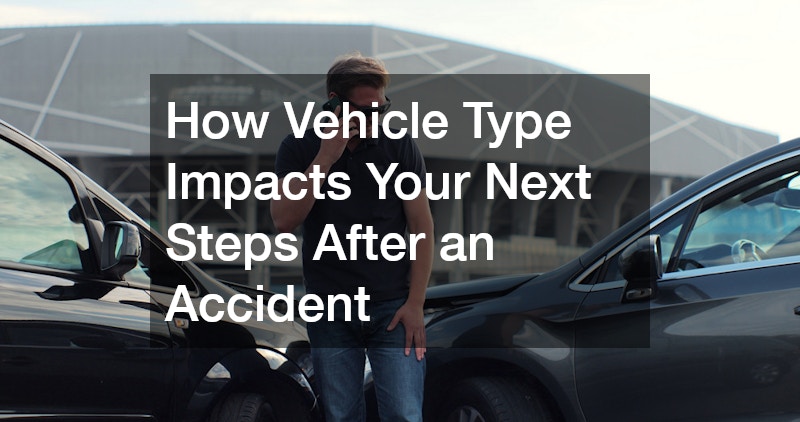
The aftermath of a motor vehicle collision is a chaotic period defined by high emotions, physical pain, and a daunting list of administrative tasks. While the immediate priority is always the safety and health of those involved, the specific type of vehicle encountered in the crash significantly dictates the legal and logistical trajectory of the following weeks. A collision is rarely just a matter of two drivers exchanging insurance information; rather, it is an intersection of different regulatory frameworks, insurance policy limits, and mechanical realities. Understanding these distinctions is crucial for any victim seeking to protect their rights and secure fair compensation. The path to recovery changes drastically when moving from a standard passenger car incident to one involving a massive commercial hauler or a modern rideshare vehicle. By recognizing how vehicle classification influences the claims process and the gathering of evidence, individuals can better navigate the complexities of the justice system and ensure their physical and financial restoration is handled with the necessary expertise.
Evaluating the Complexity of Commercial Truck Accidents
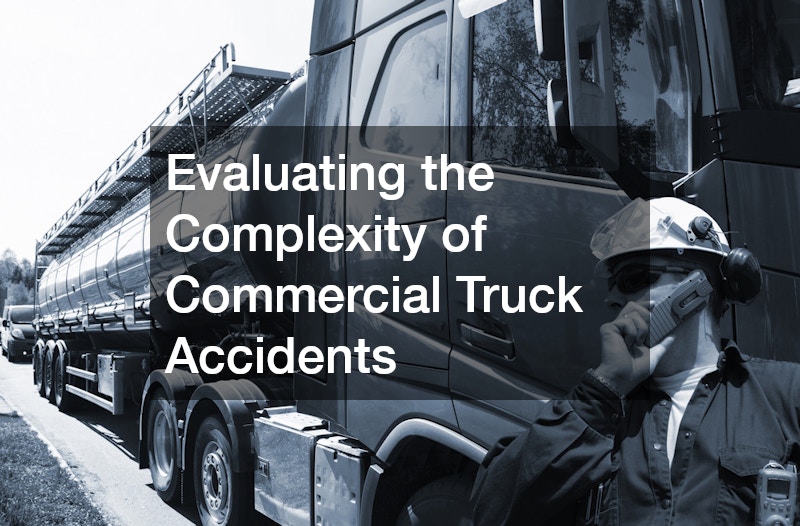
Accidents involving commercial trucks are inherently more complex than standard passenger vehicle collisions due to the sheer size of the vehicles and the rigorous federal regulations that govern the trucking industry. When a semi-truck is involved, the investigation must look beyond simple driver error to examine maintenance logs, electronic logging device data, and the employment history of the driver. Because these vehicles can weigh up to 80,000 pounds, the resulting damage is often catastrophic, involving multiple parties such as the truck owner, the freight loader, and the manufacturer of the vehicle’s parts. This layering of liability means that a simple insurance claim is rarely sufficient to cover the extensive damages and long-term medical needs of the victims.
The physical recovery of the scene also requires specialized equipment that goes far beyond what is needed for a typical car. Because of the immense weight and specialized braking systems of these vehicles, standard tow trucks are insufficient for clearing the roadway and preventing further traffic hazards. Authorities and transport companies must often coordinate with heavy duty towing services to manage the uprighting and removal of disabled rigs. These specialized operators have the training and machinery to handle massive loads safely, ensuring that the wreckage is transported to a secure location where forensic investigators can examine the mechanical components for evidence of failure.
Addressing Insurance Challenges With Rideshare Vehicles
The rise of rideshare platforms has introduced a unique layer of complication to accident claims, primarily concerning which insurance policy is active at the moment of impact. When a driver for a major app is involved in a crash, the “period” of their work—whether they were waiting for a fare, en route to a pickup, or had a passenger in the car—determines the level of coverage available. If the driver was off the clock, their personal insurance applies, but if they were actively transporting a client, a high-limit commercial policy usually takes over. Navigating these overlapping layers of coverage requires a deep understanding of the specific terms of service and state-level rideshare statutes that protect both passengers and other motorists.
Proving liability in these cases can be difficult because rideshare companies often attempt to distance themselves from the driver by classifying them as independent contractors. Victims frequently find themselves caught in a dispute between the driver’s personal insurer and the corporate policy, with both sides looking for reasons to deny the claim. To cut through the corporate bureaucracy and ensure that all available insurance funds are identified, it is often necessary to consult with an experienced accident attorney. Having professional legal guidance ensures that the digital data from the rideshare app is preserved and that the victim is not pressured into an early, undervalued settlement that fails to account for future medical complications.
Navigating Liability in Public Transportation Collisions
When an accident involves a public bus, light rail, or municipal shuttle, the process for seeking damages shifts from the private sector to the public sector. Government entities are often protected by “sovereign immunity,” which limits the ways in which they can be sued and imposes much shorter deadlines for filing a notice of claim. Instead of the standard two-year or three-year statute of limitations found in private personal injury cases, a victim of a public transit accident might have only 60 or 90 days to formally notify the city or county of their intent to seek compensation. Failure to follow these strict procedural rules can result in a total loss of the right to recover damages, regardless of how clear the driver’s fault may be.
Because of these unique procedural hurdles and the aggressive defense strategies employed by government agencies, these cases are rarely handled successfully by individuals on their own. The legal landscape is filled with specific exemptions and damage caps that vary significantly from one municipality to the next. For this reason, victims often seek out established law firms that specialize in government tort claims to manage the litigation process. These professionals understand how to navigate the administrative hearings and specialized court filings required to hold a public entity accountable for the negligence of its employees and the maintenance of its fleet.
Managing Severe Injuries From Motorcycle Impacts
Motorcycle accidents are distinct from other vehicle collisions because the rider lacks the structural protection of a steel frame, airbags, and seatbelts. Even a low-speed impact can result in life-altering injuries such as traumatic brain injury, spinal cord damage, or severe road rash. The legal challenge in these cases often involves fighting against a “biker bias,” where insurance adjusters and juries unfairly assume the motorcyclist was lane-splitting or speeding. Overcoming this stigma requires clear evidence, such as helmet camera footage, witness statements, and accident reconstruction reports that prove the other driver failed to yield or check their blind spots.
Beyond the legal battle, the physical recovery for a rider often involves long-term rehabilitation and specialized medical equipment. Many riders are passionate about the mechanics and culture of their vehicles, and the loss of a customized bike can be a significant emotional and financial blow. For those who enjoy the broader world of motorized recreation, including ATVs and dirt bikes, the risks associated with powersports are well-known, but the lack of insurance requirements for off-road vehicles can complicate recovery if the accident happens on a trail rather than a public road. Ensuring that medical bills are paid requires a comprehensive look at all available health and auto insurance policies to bridge the gap left by the inherent vulnerability of the vehicle.
Handling Property Damage for Luxury Automobiles
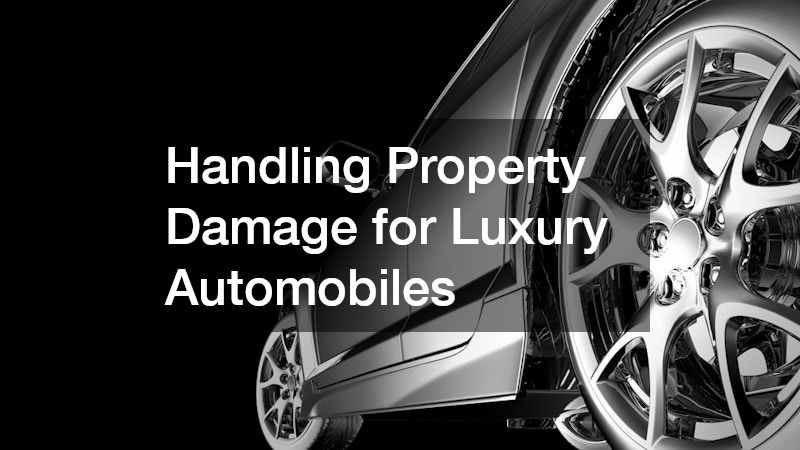
When high-end or exotic vehicles are involved in an accident, the financial stakes regarding property damage can easily surpass the value of a typical home. Luxury cars often feature carbon fiber bodies, complex sensory arrays for autonomous driving, and custom paint finishes that cannot be repaired by a standard technician. The depreciation in value after an accident—known as a diminished value claim—is also significantly higher for these vehicles. Even if the car is restored to perfect condition, its history as an accident-involved vehicle will drastically reduce its resale price, a loss for which the owner is entitled to be compensated by the at-fault party’s insurance.
The technical requirements for these repairs mean that the owner cannot simply take the vehicle to any shop on the insurance company’s “preferred” list. Specialized tools and manufacturer-certified parts are mandatory to maintain the vehicle’s warranty and safety standards. Selecting a high-end auto collision repair center is essential to ensure that the structural integrity of the luxury vehicle is restored using factory-approved methods. These specialized facilities work directly with adjusters to justify the higher labor rates and part costs associated with premium brands, ensuring that the owner’s investment is protected and the vehicle is returned to its pre-accident performance levels.
Understanding Weight Dynamics in Large SUV Crashes
The proliferation of large SUVs on modern roadways has fundamentally changed the physics of typical collisions. Because these vehicles possess a much higher center of gravity and significantly more mass than a compact car, they are prone to rollovers and can override the bumpers of smaller vehicles, leading to more intrusive structural damage. In a crash, the kinetic energy transferred from a heavy SUV is immense, often resulting in severe internal injuries for occupants of the smaller car even if the exterior damage appears moderate. Determining how speed and weight distribution contributed to the impact is a critical step in establishing the severity of the negligence involved.
Legal professionals must use physics-based evidence to demonstrate how the force of a large vehicle dictated the outcome of the crash. To build a compelling case that accounts for long-term medical care and vehicle replacement, many victims hire car accident attorneys who specialize in high-energy impacts. These experts work with reconstructionists to prove that the SUV driver’s failure to brake in time resulted in a level of force that a standard passenger vehicle was never designed to withstand. By focusing on the specific mechanics of heavy-vehicle dynamics, they ensure the settlement reflects the true scale of the physical devastation.
Processing Claims for Government and Municipal Vehicles
When a collision involves a vehicle owned by a city, such as a snowplow or a maintenance truck, the victim enters a complex world of administrative law. Government vehicles are often subject to different maintenance standards and immunity protections that can shield the municipality from standard personal injury lawsuits. Furthermore, these vehicles are often part of a specialized fleet that undergoes heavy daily use, meaning mechanical failure due to poor oversight is a common contributing factor. Navigating these claims requires immediate action, as the window for filing a notice against a government entity is exceptionally narrow compared to private insurance claims.
The technical side of these cases often involves investigating whether the municipal garage followed proper service intervals for their specialized machinery. Many of these heavy-duty units require diesel fleet repairs to remain safe for public roads, and any lapse in this specialized maintenance can be used as evidence of systemic negligence. If a city failed to address known mechanical issues in their fleet, they may be held liable despite their usual immunity protections. Documenting the maintenance history of the specific government unit is often the “smoking gun” needed to secure a fair recovery for the victim.
Coordinating Recovery for Electric and Hybrid Cars
Accidents involving electric vehicles (EVs) present unique hazards that first responders and repair technicians must handle with extreme caution. The presence of high-voltage lithium-ion batteries means that even a minor fender bender can pose a risk of electrical fire or chemical leaks. Furthermore, the specialized sensors and battery cooling systems integrated into the chassis make these vehicles much more expensive to repair than traditional internal combustion cars. Following a crash, an EV must be stored away from other vehicles to monitor for “thermal runaway,” a condition where the battery begins to overheat hours after the initial impact.
Because of these complexities, owners of electric and hybrid cars cannot rely on generalist mechanics for post-accident inspections. It is vital to take the vehicle to a local auto repair shop that has been specifically certified in EV high-voltage systems and diagnostic software. These technicians ensure that the battery’s structural cage hasn’t been compromised and that the regenerative braking systems are recalibrated to factory specifications. Ensuring the car is handled by experts protects the owner from future electrical failures that could lead to another accident or a total loss of the vehicle’s value.
Determining Fault in Bicycle and Pedestrian Accidents
In some urban or recreational settings, accidents may involve non-traditional vehicles that blur the lines of standard traffic laws. For instance, some of the fastest-growing incidents in retirement communities or resorts involve golf cart companies and their products being used on public thoroughfares. When a traditional car strikes a golf cart, the lack of safety features like doors or airbags leads to catastrophic results. Establishing fault requires a precise understanding of local ordinances regarding where these smaller vehicles are permitted to travel and how they must interact with standard automotive traffic.
Securing Evidence for Delivery Van Incidents
The explosion of e-commerce has led to a surge in delivery van accidents, which often occur in residential neighborhoods where children are present. These drivers are frequently under intense pressure to meet strict quotas, leading to fatigued driving, illegal U-turns, and distracted navigation. Unlike commercial trucks, delivery vans are often operated by third-party contractors, creating a “shell game” of liability when an accident occurs. Securing the onboard telematics data, which tracks the driver’s speed and braking patterns, is the most effective way to prove that the delivery company’s demands led to the collision.
The logistical aftermath of these crashes also involves dealing with unique vehicle types that may be integrated into a delivery fleet or used by the driver for temporary housing. In some instances, specialized vehicles like mobile hubs or even converted vans require niche services like RV roof repair if the impact involved overhead obstacles or rollovers. Because these vehicles are often taller and more top-heavy than standard vans, they are susceptible to unique types of structural damage. Identifying the specific mechanical vulnerabilities of a delivery vehicle is key to proving that the driver was operating a vehicle that was either overloaded or improperly balanced for the road conditions.