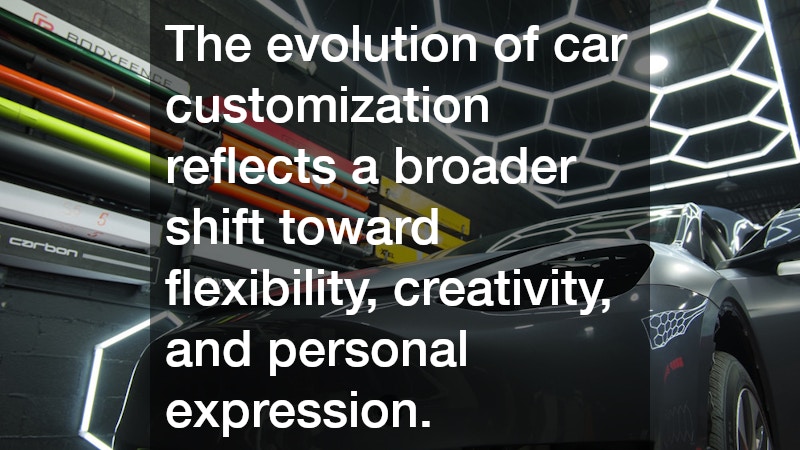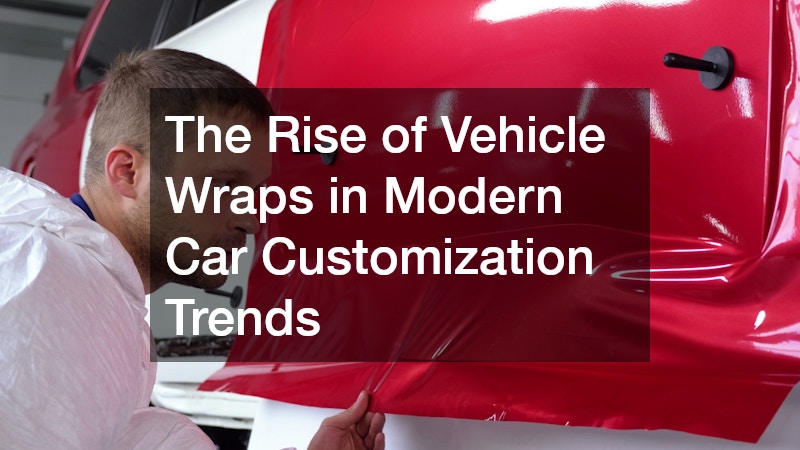
Car customization has evolved far beyond traditional paint jobs, chrome accents, and aftermarket rims. Today, drivers are looking for faster, more flexible, and more creative ways to express personality through their vehicles. One of the most noticeable shifts in the automotive world is the growing popularity of vehicle wraps, which have transformed how people approach car styling. Instead of committing to permanent paint changes, owners can now completely change the look of a car in a matter of days, with options ranging from matte finishes to bold graphics and textured designs. This trend has gained momentum among everyday drivers, car enthusiasts, and even businesses that want mobile advertising solutions.
As customization culture continues to grow, wraps have become a central part of the conversation around modern automotive design, blending aesthetics, protection, and innovation in a way that traditional methods struggle to match.
From Paint Jobs to Modern Customization
For decades, custom paint jobs were the gold standard for personalizing vehicles. They allowed owners to choose unique colors, metallic finishes, and even airbrushed artwork. However, paint comes with limitations: it is expensive, permanent, and time-consuming to apply or change. As automotive culture shifted toward more dynamic expression, drivers began seeking alternatives that offered both flexibility and affordability.
This is where modern customization methods stepped in. Vinyl-based solutions introduced a new era where car owners could experiment with designs without long-term commitment. Unlike paint, these materials can be removed or replaced without damaging the original surface, making them especially appealing for leased vehicles or those who frequently update their style.
Technology Driving the Trend
Advancements in printing technology have played a major role in shaping the modern customization landscape. High-resolution digital printing allows for extremely detailed designs, including gradients, photographic images, and intricate patterns that would be nearly impossible to achieve with traditional paint techniques. This technological progress has expanded creative possibilities for designers and car owners alike.
Durability has also improved significantly. Modern materials are designed to withstand harsh weather conditions, UV exposure, and daily wear while maintaining their visual appeal for years. This makes them a practical choice for drivers who want both style and protection for their vehicle’s original finish.
In addition, installation techniques have become more precise and efficient. Professional installers use advanced tools and methods to ensure seamless application, reducing bubbles, wrinkles, and imperfections. This has elevated the overall quality of finished projects, making them nearly indistinguishable from high-end paint jobs at first glance.
The growing accessibility of these innovations has helped push vehicle wraps into the mainstream. What was once considered a niche service for luxury or show cars is now widely available to everyday drivers, small businesses, and automotive enthusiasts looking for a fresh way to stand out.
Branding and Business Adoption
Beyond personal customization, one of the most significant drivers of this trend is its adoption in commercial branding. Businesses have discovered that turning company vehicles into mobile advertisements is an efficient and cost-effective marketing strategy. Delivery vans, service trucks, and even personal cars used for business purposes can now serve as moving billboards.
This approach offers continuous visibility without recurring advertising costs. Unlike digital ads or print campaigns, a single application can generate impressions for years while the vehicle is on the road. The ability to update designs quickly also allows businesses to refresh branding or promotional messages without investing in entirely new paintwork or fleet redesigns.
Another advantage is consistency. Companies can maintain a uniform visual identity across multiple vehicles, reinforcing brand recognition in local markets. Whether parked or in motion, these mobile advertisements help establish a strong presence in the community.
As more industries recognize these benefits, demand for creative design solutions continues to rise. This has encouraged designers to experiment with bold visuals, minimalist branding, and eye-catching color schemes that maximize visibility while staying aligned with corporate identity goals.
Cultural Influence and Social Media
Car culture has always been driven by individuality, but social media has amplified this influence significantly. Platforms like Instagram, TikTok, and YouTube have turned vehicle customization into a form of digital entertainment, where visually striking builds gain widespread attention. Cars are no longer just modes of transportation—they are content, identity, and status symbols all at once.
This shift has encouraged owners to invest more in aesthetics, aiming for designs that stand out both on the road and online. Influencers and automotive content creators frequently showcase custom builds, inspiring followers to explore similar modifications. As trends spread quickly across digital platforms, styles evolve faster than ever before.
The evolution of car customization reflects a broader shift toward flexibility, creativity, and personal expression. What once relied heavily on permanent modifications has now become a dynamic and adaptable process shaped by technology and cultural influence. In this environment, vehicle wraps have emerged as a defining element of modern automotive style, offering a balance between design freedom and practicality. Their ability to transform appearance, support branding, and adapt to changing trends has made them a cornerstone of today’s customization landscape. As technology continues to improve and design possibilities expand, their role in car culture is likely to grow even further, shaping how vehicles are styled and perceived in the years ahead.