A vehicle is a significant investment, and keeping it in good condition involves more than responding when something goes wrong. Regular maintenance, attentive driving habits, timely repairs, and consistent cleaning can all contribute to a safer and more dependable vehicle. These efforts can also help preserve the appearance and functionality of a car as it accumulates miles.
A thoughtful maintenance routine does not have to be complicated. Vehicle owners can start by understanding their manufacturer’s recommendations, paying attention to changes in performance, and addressing minor concerns before they develop into larger problems. Exterior and interior care matter as well, particularly for drivers who want their vehicle to remain comfortable and attractive over the years.
Follow a Consistent Maintenance Schedule
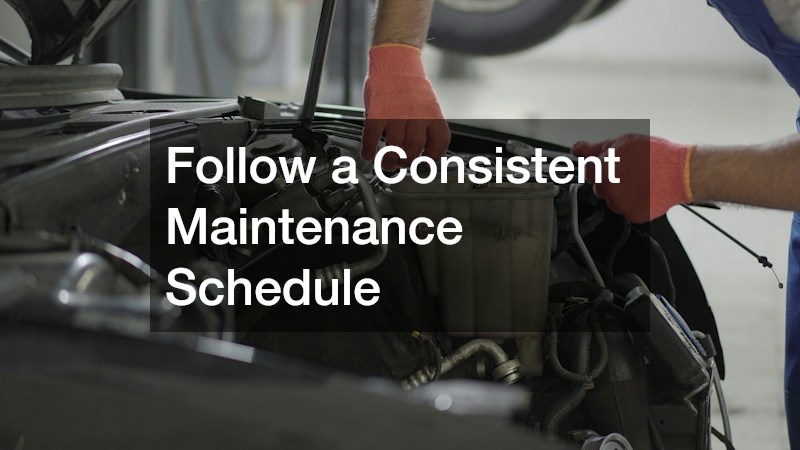
Preventive maintenance is one of the most effective ways to reduce unexpected vehicle problems. Every vehicle has different maintenance requirements based on its make, model, mileage, age, and driving conditions. The owner’s manual is an important starting point because it outlines recommended service intervals and may identify components that require periodic inspection or replacement.
Routine maintenance should be treated as an ongoing responsibility rather than something to consider only when a warning light appears. A vehicle can experience gradual wear without immediately producing an obvious symptom. Keeping service records can also make it easier to determine what has already been completed and what may be approaching its recommended interval.
Important maintenance considerations include:
- Checking fluid levels and looking for signs of leaks
- Inspecting belts, hoses, and other accessible components
- Monitoring tire pressure and tread condition
- Replacing filters according to the recommended schedule
- Paying attention to warning lights and dashboard messages
- Keeping track of previous maintenance and repairs
An oil change is another routine service that should be performed according to the vehicle manufacturer’s recommendations. Engine oil helps lubricate internal components and supports proper engine operation. The appropriate interval can vary depending on the vehicle and how it is driven, so following the recommended schedule is generally more useful than relying on one universal mileage or time interval.
Pay Attention to Changes in Performance
Drivers spend more time with their vehicles than many technicians do, which means they are often the first people to notice changes in how a car sounds, feels, or handles. Paying attention to these changes can help identify developing problems before they become more disruptive or expensive.
A new vibration, unusual noise, hesitation, pulling, unusual odor, or change in fuel economy may have multiple possible causes. That does not necessarily mean a major repair is needed, but unusual symptoms should not automatically be dismissed. Describing exactly when a problem occurs can give a technician valuable information during an inspection.
For example, take note of whether a sound happens:
- When the vehicle is starting
- While accelerating or slowing down
- During turns
- When traveling at certain speeds
- Over bumps or uneven surfaces
- Only after the vehicle has warmed up
Drivers should also take dashboard warnings seriously. Some alerts may indicate a relatively minor issue, while others can signal a condition that requires prompt attention. Continuing to operate a vehicle with an unresolved warning can potentially allow a manageable problem to become more complicated.
When a problem is difficult to identify, professional auto repair can help determine whether the symptoms are related to maintenance, component wear, electrical concerns, or another mechanical issue. An accurate diagnosis is generally more useful than replacing parts based only on guesswork.
Maintain the Braking System
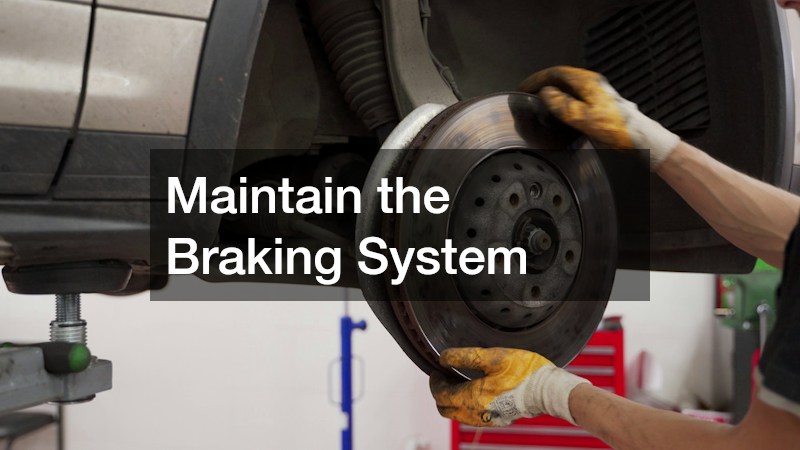
Braking components are among the most important safety-related systems on a vehicle. Brake components naturally wear over time, and their condition can be influenced by driving habits, traffic conditions, vehicle weight, road conditions, and other factors.
Drivers should pay attention to symptoms such as squealing, grinding, vibration, a soft pedal, increased stopping distance, or a vehicle that pulls while braking. These signs can have different causes, so an inspection is appropriate when braking behavior changes.
Routine brake inspections can help identify worn components before they interfere with normal driving. Depending on the vehicle, technicians may examine pads, rotors, calipers, brake lines, fluid, and other related components.
Brake repairs should not be postponed simply because a vehicle remains drivable. A car that can still move and stop may nevertheless have components that are approaching the end of their useful service life. Addressing wear earlier can sometimes prevent additional damage and help maintain predictable braking performance.
Drivers can also support brake longevity by avoiding unnecessarily aggressive acceleration followed by hard braking. Leaving adequate following distance makes it easier to slow gradually and reduces the need for repeated sudden stops.
Protect the Transmission and Drivetrain
The transmission plays a critical role in transferring engine power to the wheels and allowing the vehicle to operate across different speeds and driving conditions. Because transmission problems can become expensive when neglected, paying attention to shifting behavior is important.
Potential warning signs include delayed engagement, slipping, rough shifting, unusual noises, fluid leaks, or unexpected changes in how the vehicle responds when accelerating. These symptoms can stem from different problems and should be evaluated rather than assumed to be normal aging.
Auto transmission servicing may involve fluid inspection, fluid replacement when appropriate, diagnostic testing, and examination of related components. Service requirements vary significantly between vehicles, and some newer transmissions have specific maintenance procedures that should be followed carefully.
Good driving habits can also help reduce unnecessary drivetrain stress. Avoiding excessive loads beyond the vehicle’s recommended capacity and following towing guidelines can protect components designed to operate within specific limits. Drivers should also avoid continuing to operate a vehicle when serious transmission symptoms appear, particularly if the vehicle becomes difficult to control or move normally.
Understand the Needs of Your Specific Vehicle
Not every vehicle should be maintained in exactly the same way. Differences in engine design, drivetrain configuration, materials, electronics, suspension systems, and manufacturer recommendations can affect how maintenance and repairs should be approached.
This is particularly relevant for owners of imported or specialized vehicles. Foreign auto repair may require technicians to understand specific systems, components, diagnostic procedures, and manufacturer requirements associated with a particular vehicle.
Vehicle owners can make service easier by keeping useful information available, including:
- The vehicle identification number
- Current mileage
- Maintenance records
- Previous repair invoices
- Information about recurring symptoms
- Warning-light descriptions
- Manufacturer maintenance recommendations
Providing accurate information can help a technician understand the vehicle’s history and determine what should be inspected. It can also reduce unnecessary repetition when a vehicle has already undergone previous diagnostic work.
A vehicle’s history matters because a recurring problem may have a different solution than an issue appearing for the first time. Consistent documentation gives both the owner and service professional a clearer picture of how the vehicle has been maintained.
Protect the Exterior From Everyday Damage
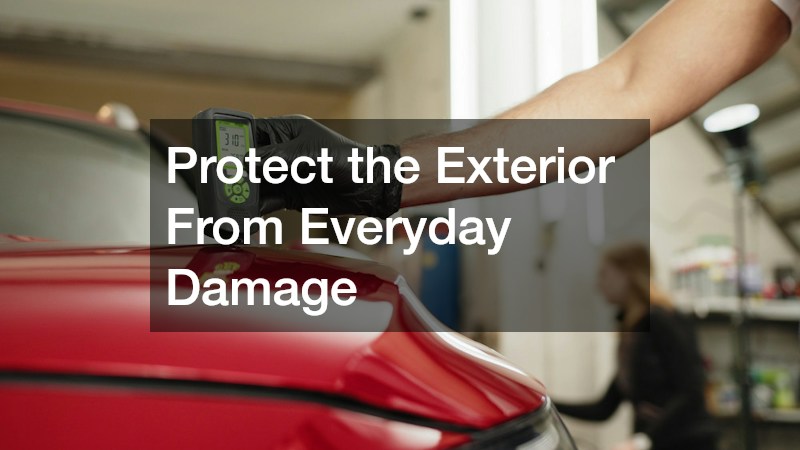
A vehicle’s exterior is exposed to sunlight, rain, road debris, dirt, tree sap, bird droppings, salt, and other environmental contaminants. Over time, these conditions can affect paint, trim, glass, wheels, and other exterior surfaces.
Washing the vehicle regularly can remove contaminants before they remain on painted surfaces for extended periods. However, cleaning methods matter. Harsh products, abrasive materials, or improper washing techniques can create scratches or dull the finish.
Auto tinting can also contribute to a vehicle’s overall appearance while providing benefits related to sunlight and interior comfort. Tint products vary in their appearance, performance, and applicable legal requirements, so owners should choose an option appropriate for their vehicle and location.
Other ways to protect the exterior include:
- Parking in covered areas when practical
- Removing bird droppings and tree sap promptly
- Using appropriate automotive cleaning products
- Avoiding abrasive brushes and dirty towels
- Addressing paint damage before corrosion develops
- Cleaning wheels regularly to remove accumulated debris
Exterior protection is most effective when it is consistent. Occasional intensive cleaning can improve a vehicle’s appearance, but regular care helps prevent buildup from becoming difficult to remove.
Address Dents, Scratches, and Collision Damage
Small exterior damage is easy to overlook, especially when it does not affect how the vehicle drives. However, visible damage can become more noticeable over time and may expose underlying materials to moisture or environmental conditions.
Dent removals can be appropriate for certain types of damage when the affected area can be restored without replacing or extensively refinishing the panel. The appropriate repair method depends on factors such as the dent’s size, depth, location, and effect on the surrounding material.
Collision damage deserves additional attention even when the vehicle appears to be functioning normally. A minor-looking impact can potentially affect components behind the visible damage. Structural elements, sensors, lights, alignment, and other systems may need to be evaluated.
Auto collision repair can address damage resulting from an accident and may involve much more than restoring the visible exterior. Depending on the circumstances, a repair process may include inspection, body work, component replacement, refinishing, and checks of affected safety systems.
After an accident, drivers should avoid assuming that a vehicle is fine simply because it starts and drives. A professional evaluation can help determine whether hidden damage is present.
Keep the Interior Clean and Comfortable

Interior maintenance contributes to both appearance and everyday driving comfort. Dust, food particles, spills, pet hair, and other debris can accumulate gradually, particularly in vehicles that are used frequently.
Regular vacuuming and surface cleaning can help prevent buildup. Spills should generally be addressed promptly because some substances can stain upholstery or create persistent odors. Owners should use cleaning products that are appropriate for the material being treated, since leather, fabric, vinyl, plastic, and specialized surfaces can have different care requirements.
An auto detailing shop can provide more comprehensive cleaning when a vehicle needs attention beyond routine maintenance. Professional detailing may address areas that are difficult to clean during a typical home wash, including upholstery, carpets, crevices, dashboards, glass, and exterior surfaces.
A practical interior-care routine might include:
- Removing trash and unnecessary items regularly
- Vacuuming carpets and seats
- Cleaning high-touch surfaces
- Treating spills as soon as possible
- Checking floor mats for accumulated moisture or dirt
- Cleaning windows for improved visibility
Keeping the interior clean is not simply cosmetic. Clear windows, clean mirrors, unobstructed controls, and an organized cabin can contribute to a more comfortable driving environment.
Be Selective About Do-It-Yourself Work
Some vehicle owners enjoy performing basic maintenance themselves, and certain tasks can be appropriate for people with the necessary knowledge, tools, and workspace. However, the difference between a simple maintenance task and a safety-critical repair should be understood before beginning any work.
DIY auto repairs can create problems when a repair requires specialized diagnostic equipment, precise procedures, proper torque specifications, or knowledge of complex electronic systems. Incorrectly performing a repair can potentially create additional damage or make a vehicle less safe.
Before attempting a repair, consider:
- Whether the repair requires specialized tools
- Whether you have access to reliable service information
- Whether the vehicle must be lifted safely
- Whether the work involves electrical or safety systems
- Whether you can verify that the repair was completed correctly
- Whether the consequences of an error could affect vehicle control
Basic tasks such as replacing certain filters, checking fluid levels, or performing other manufacturer-approved maintenance may be manageable for some owners. More complicated repairs can be better handled by a qualified professional.
Knowing when to stop a DIY project is just as important as knowing how to start one. If unexpected damage appears or the repair does not match the instructions, continuing without the necessary expertise can increase the risk of additional problems.
Create a Long-Term Care Plan
Vehicle maintenance becomes easier when it is treated as an ongoing plan rather than a series of unrelated appointments. Owners can divide responsibilities into immediate concerns, recurring maintenance, appearance-related work, and longer-term improvements.
Start with safety and reliability. Problems involving braking, steering, tires, lights, fluid leaks, or significant mechanical symptoms should receive appropriate attention before cosmetic upgrades become priorities.
Next, consider maintenance that protects major systems. Once essential service needs are addressed, owners can plan improvements that enhance comfort, appearance, efficiency, or convenience.
A simple planning system can include:
- Immediate: Safety concerns and serious mechanical symptoms
- Upcoming: Manufacturer-recommended maintenance and inspections
- Seasonal: Tire checks, exterior cleaning, climate-related preparation, and fluid inspections
- Long-term: Appearance upgrades, comfort improvements, and larger repairs
Budgeting for vehicle care can also reduce surprises. Setting aside money for routine maintenance makes it easier to address predictable expenses when they arise. Owners should also consider the vehicle’s age and mileage when planning for future component wear.
The goal is not to perform every possible service at once. Instead, prioritize work according to safety, manufacturer recommendations, vehicle condition, and practical needs. This approach allows maintenance to remain manageable while helping prevent small concerns from being forgotten.
Keeping a vehicle safe, reliable, and attractive requires consistent attention rather than a single major effort. Routine maintenance, careful driving, timely inspections, and prompt attention to unusual symptoms can help preserve important mechanical and safety systems. Exterior and interior care can also protect the vehicle’s appearance and make daily driving more enjoyable.
Vehicle owners should follow manufacturer recommendations, maintain useful service records, and seek professional assistance when a problem exceeds their knowledge or available equipment. By addressing necessary maintenance before it becomes urgent and balancing mechanical care with appearance-related upkeep, drivers can take a practical approach to protecting their vehicles for the long term.