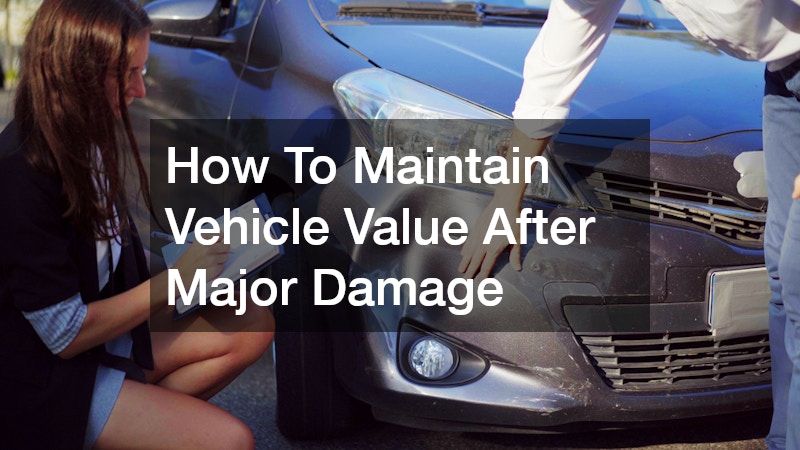
A major accident, severe weather event, or unexpected mechanical failure can instantly change the value of a vehicle. Even after repairs are completed, many vehicle owners worry about how the damage history will affect resale potential, trade-in offers, and long-term reliability. While some depreciation is unavoidable after significant damage, the steps taken immediately afterward can dramatically influence how much value the vehicle retains over time.
Many owners make the mistake of focusing only on getting the vehicle back on the road as quickly as possible. However, preserving value requires a more strategic approach. Proper documentation, high-quality repairs, preventative maintenance, cosmetic restoration, and careful upgrade decisions all play an important role in protecting the vehicle’s condition and market appeal.
Whether the damage resulted from a collision, hailstorm, flooding, or mechanical breakdown, maintaining value depends on addressing problems thoroughly rather than relying on shortcuts. Buyers and dealerships often look closely at repair quality, service history, and the vehicle’s overall appearance when determining value. A vehicle that has been properly restored and carefully maintained can remain attractive to future buyers even after major damage.
This guide explains practical steps vehicle owners can take to reduce depreciation, improve reliability, and maintain long-term resale value after serious damage occurs.
Start With a Complete Inspection Before Making Any Repair Decisions
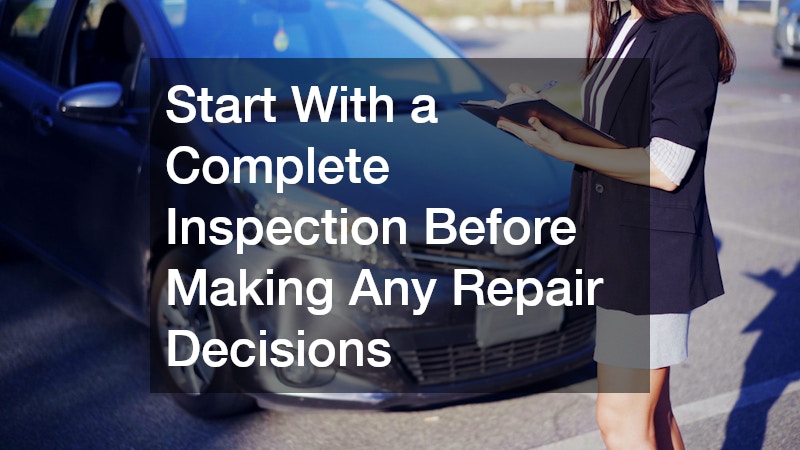
One of the most important mistakes vehicle owners can avoid after major damage is approving repairs too quickly. Some damage is immediately visible, while other issues remain hidden beneath body panels, undercarriages, or internal systems. A rushed repair process can leave unresolved problems that continue lowering the vehicle’s value long after the initial incident.
Even a relatively straightforward accident can create complications involving alignment, suspension systems, electronics, sensors, and structural integrity. Cosmetic repairs alone may make the vehicle appear fixed while serious mechanical or safety concerns remain unresolved underneath.
Vehicle owners should begin with a full professional inspection that includes:
- Structural frame evaluation
- Suspension and steering assessment
- Brake system inspection
- Electrical system diagnostics
- Paint and corrosion analysis
- Tire and wheel alignment checks
- Safety sensor calibration
Seeking multiple estimates can also help owners understand the true scope of repairs. Reputable auto body shops often provide detailed breakdowns of labor, replacement parts, and recommended restoration procedures. Comparing estimates allows owners to identify inconsistencies and avoid low-cost repairs that may sacrifice quality.
It is also beneficial to choose specialists familiar with the specific type of damage involved. Some facilities focus primarily on cosmetic work, while others handle structural reconstruction and advanced diagnostics. Working with experienced local auto collision repair professionals may provide better communication, stronger warranties, and more personalized follow-up service throughout the restoration process.
Documentation during this stage is equally important. Owners should save:
- Inspection reports
- Repair estimates
- Insurance claim paperwork
- Photos of the damage
- Parts replacement records
- Calibration documentation
Detailed records demonstrate transparency to future buyers and provide proof that repairs were completed properly rather than concealed.
Address Mechanical Problems Before They Become More Expensive
After major damage occurs, many owners focus first on visible exterior repairs while delaying mechanical inspections. Unfortunately, unresolved internal problems often become far more expensive over time and can significantly reduce reliability, safety, and resale value.
Modern vehicles contain highly interconnected systems, meaning even moderate collisions can affect components beyond the obvious impact zone. Drivetrain systems, cooling systems, electronics, and steering assemblies may suffer damage that is not immediately noticeable during short drives.
Ignoring warning signs can lead to escalating repair costs. Common symptoms that should never be dismissed include:
- Delayed acceleration
- Fluid leaks
- Grinding noises
- Shaking during driving
- Burning smells
- Difficulty shifting gears
- Dashboard warning lights
- Reduced fuel efficiency
In many cases, transmission problems emerge gradually after an accident or major mechanical event. Internal damage may not become fully apparent until weeks or months later. Delayed repairs often increase wear on related components, creating additional expenses and reducing buyer confidence.
Owners should prioritize diagnostic testing whenever drivability changes after damage occurs. Even subtle performance differences may indicate larger issues developing internally.
Proper auto transmission repair is especially important because transmission health heavily influences resale value. Buyers and dealerships frequently avoid vehicles with uncertain drivetrain conditions due to the high cost of future repairs. Addressing transmission concerns early helps preserve long-term performance while reducing the risk of catastrophic failure later.
Preventive maintenance after repairs is equally important. Owners should monitor:
- Transmission fluid condition
- Cooling system performance
- Engine oil quality
- Suspension wear
- Brake response
- Tire alignment
Routine inspections allow owners to catch small issues before they become major problems that further reduce the vehicle’s market value.
Restore Exterior Appearance With Professional Cosmetic Repairs
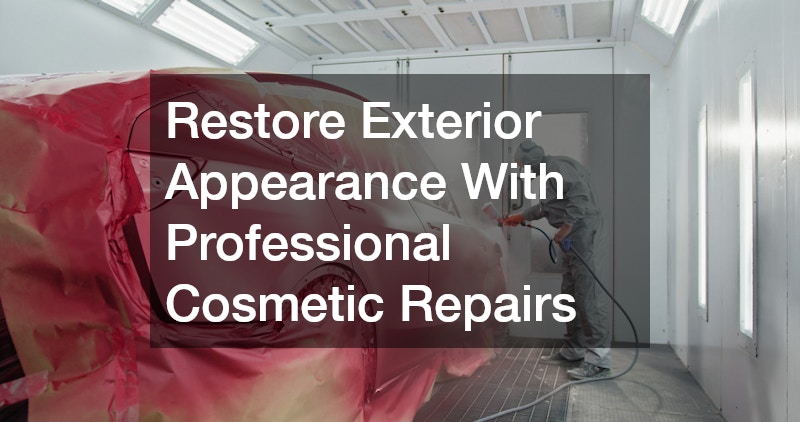
A vehicle’s appearance strongly influences how buyers perceive its overall condition. Even when mechanical systems function properly, visible cosmetic damage can create the impression that the vehicle has been poorly maintained or improperly repaired.
Scratches, dents, mismatched paint, rust spots, and body panel inconsistencies all contribute to lower resale offers. Potential buyers often assume cosmetic neglect signals deeper hidden issues, even if the vehicle runs well.
Professional cosmetic restoration helps rebuild confidence while protecting exposed surfaces from additional deterioration. High-quality repair work should focus not only on appearance but also on long-term durability and corrosion prevention.
Areas commonly requiring attention after major damage include:
- Scratched panels
- Bent fenders
- Cracked bumpers
- Paint chips
- Oxidation
- Rust formation
- Hail dents
- Clear coat peeling
Professional auto paint repair is especially valuable because poor paint matching can significantly reduce visual appeal. Inconsistent paint tones, overspray, or uneven finishes often become immediate red flags during resale inspections.
Quality refinishing work typically includes:
- Surface preparation
- Dent correction
- Primer application
- Precise color matching
- Clear coat protection
- Paint curing and polishing
Proper restoration also helps prevent corrosion from developing underneath damaged paint surfaces.
Weather-related damage can create additional concerns. Hailstorms, for example, often leave hundreds of small dents that weaken exterior panels and trap moisture over time. Fast car hail damage repair helps maintain structural integrity while preventing long-term cosmetic deterioration.
Vehicle owners should avoid delaying cosmetic repairs for too long. Minor damage frequently worsens through:
- Rust expansion
- Paint peeling
- Moisture intrusion
- Sun exposure
- Corrosion spread
Protective treatments after restoration can further preserve appearance. Ceramic coatings, paint protection films, and routine waxing help maintain finish quality and reduce future wear.
Protect Visibility and Safety Features From Long-Term Damage
Glass damage is often underestimated after major accidents or storms. However, compromised visibility and improperly repaired glass can reduce both safety and resale value significantly.
Even small chips can spread rapidly due to temperature changes, vibrations, or road stress. Cracks that obstruct visibility create immediate concerns for buyers and may prevent vehicles from passing inspections in some states.
A damaged windshield also affects structural safety. Modern vehicles rely on bonded glass to support roof strength, airbag deployment timing, and crash protection systems. Delaying replacement can compromise these safety features.
Vehicle owners should address:
- Chips
- Cracks
- Seal damage
- Moisture leaks
- Distorted visibility
- Sensor misalignment
In many newer vehicles, advanced driver assistance systems depend on cameras and sensors mounted near the windshield area. Replacement often requires recalibration to ensure lane assistance, collision warnings, and adaptive cruise systems function correctly.
Another increasingly valuable safety upgrade involves dash camera installation. Dash cameras provide documentation during future accidents, theft attempts, or insurance disputes. Many buyers appreciate added safety technology, especially when purchasing vehicles with prior damage history.
Benefits of dash cameras include:
- Accident evidence
- Theft deterrence
- Parking surveillance
- Insurance claim support
- Driver behavior monitoring
Keeping visibility systems modern and functional improves buyer confidence while reinforcing the impression that the vehicle has been responsibly maintained after repairs.
Owners should also monitor for signs of poor glass installation, including:
- Wind noise
- Water leaks
- Interior fogging
- Loose trim
- Uneven seals
Addressing these issues early prevents interior damage that could further reduce the vehicle’s value over time.
Keep Thorough Records To Build Buyer Confidence

One of the biggest concerns buyers have about previously damaged vehicles is uncertainty. Many shoppers worry about hidden repairs, poor workmanship, or unresolved problems that may appear later. Thorough documentation helps eliminate much of that uncertainty.
Maintaining organized repair records demonstrates transparency and responsibility. It also shows that the owner invested in proper restoration rather than temporary cosmetic fixes.
Important records to maintain include:
- Insurance claims
- Inspection reports
- Repair invoices
- Maintenance schedules
- Replacement part receipts
- Warranty paperwork
- Alignment reports
- Calibration certifications
- Paint matching documentation
These records become especially valuable during private-party sales because buyers can review the vehicle’s complete repair history.
Consistent maintenance records after repairs are equally important. Future buyers want reassurance that the vehicle continues receiving proper care long after the original incident.
Routine documentation should include:
- Oil changes
- Tire rotations
- Brake inspections
- Fluid flushes
- Battery replacement
- Suspension servicing
- Diagnostic testing
Organized paperwork also improves trade-in negotiations. Dealerships are often more willing to offer stronger values when repair histories are clear and professionally documented.
Digital record storage can simplify organization. Many owners now maintain scanned copies of invoices, photos, and service records using cloud storage or vehicle maintenance apps.
Transparency builds trust. Attempting to hide prior damage often creates more suspicion than openly presenting detailed repair documentation.
Make Smart Appearance Upgrades Without Overcustomizing

After major damage, some owners attempt to restore value through aggressive customization projects. While certain upgrades improve appeal, excessive personalization can actually reduce resale potential by limiting the number of interested buyers.
The most effective improvements are those that modernize appearance while maintaining broad market appeal. Neutral, tasteful upgrades generally preserve value better than extreme modifications.
Examples of safe appearance upgrades include:
- Wheel refinishing
- Headlight restoration
- Interior detailing
- Window tinting
- Updated lighting
- Paint protection coatings
- Technology enhancements
One increasingly popular option involves car wraps. Wraps can refresh appearance, protect underlying paint, and conceal minor imperfections without permanently altering the original finish.
Benefits of wraps may include:
- Paint preservation
- Easier cosmetic updates
- Protection from UV damage
- Reduced surface wear
- Easier removal compared to repainting
However, wraps should still be professionally installed. Poorly applied materials can bubble, peel, or damage paint underneath.
Vehicle owners should also avoid modifications that may raise concerns for future buyers, including:
- Excessive lowering
- Loud exhaust systems
- Unusual paint colors
- Overly aggressive body kits
- Non-professional wiring modifications
The goal after major damage should be restoring broad appeal rather than creating a niche custom vehicle that appeals to fewer buyers.
Cleanliness also matters more than many owners realize. Regular detailing, stain removal, odor elimination, and interior conditioning all contribute to stronger resale impressions.
Small visual improvements often create a larger perceived value increase than expensive modifications.
Recognize When Repairs No Longer Make Financial Sense
Not every damaged vehicle can or should be fully restored. In some situations, repair costs eventually exceed the realistic value of the vehicle itself.
Continuing to invest in severe structural, electrical, or mechanical problems may create ongoing financial losses without meaningfully improving resale potential.
Owners should carefully evaluate:
- Current market value
- Total repair costs
- Future reliability concerns
- Insurance limitations
- Ongoing maintenance expenses
- Safety concerns
- Long-term depreciation
Certain forms of damage tend to create lasting value reductions regardless of repair quality, including:
- Severe frame damage
- Flood damage
- Extensive fire damage
- Airbag deployment history
- Chronic electrical failures
Repeated repair cycles can also indicate that the vehicle may no longer be financially practical to maintain.
At some point, owners may consider alternatives such as:
- Selling parts individually
- Trading in the vehicle
- Selling to specialized buyers
- Recycling salvageable components
Companies that purchase junk cars may provide a reasonable exit strategy when restoration costs exceed realistic resale value. In some cases, selling a severely damaged vehicle early prevents owners from investing thousands more into repairs that will never be recovered financially.
Owners should avoid emotional decision-making during this process. Sentimental attachment often leads people to overspend on vehicles that continue losing value despite repeated repairs.
Obtaining professional appraisals and repair estimates from multiple sources can help owners make more objective financial decisions.
Continue Preventive Maintenance After Repairs Are Complete
Completing repairs is only the beginning of protecting vehicle value after major damage. Long-term maintenance plays a critical role in preserving reliability, appearance, and buyer confidence.
Previously damaged vehicles often require closer monitoring because repaired systems may experience additional stress over time. Preventive maintenance helps identify recurring problems before they become major concerns again.
Owners should establish a consistent post-repair maintenance schedule that includes:
- Fluid inspections
- Tire pressure monitoring
- Alignment checks
- Suspension evaluations
- Brake inspections
- Battery testing
- Paint protection maintenance
- Electrical diagnostics
Areas that were previously repaired deserve special attention. Even high-quality repairs can experience wear due to weather exposure, road conditions, or normal aging.
Vehicle owners should routinely check for:
- Rust formation
- Paint bubbling
- Uneven tire wear
- Water leaks
- Electronic malfunctions
- Suspension noises
- Trim separation
- Interior moisture buildup
Professional inspections at least once or twice annually can help detect issues early. Mechanics may identify developing problems that owners cannot easily notice during daily driving.
Climate also affects long-term value retention. Vehicles exposed to road salt, high humidity, intense sun, or severe weather conditions often require additional protective care.
Helpful preventative measures include:
- Frequent washing during winter
- Undercarriage cleaning
- Waxing and sealant application
- Interior UV protection
- Garage storage, when possible
- Prompt repair of new cosmetic damage
Owners should also avoid neglecting small issues simply because the vehicle already has a damage history. Minor concerns can quickly grow into major value-reducing problems when left unresolved.
Consistency matters. A well-maintained vehicle with documented repairs often retains far more value than one that receives inconsistent care after restoration.
Conclusion
Maintaining vehicle value after major damage requires far more than simply completing repairs and returning the vehicle to the road. Long-term value preservation depends on making smart decisions throughout the recovery process, from thorough inspections and quality repairs to preventative maintenance and detailed documentation.
Vehicle owners who act quickly, address problems comprehensively, and prioritize long-term reliability often experience significantly better resale outcomes than those who rely on shortcuts or temporary fixes. Cosmetic appearance, mechanical performance, safety systems, and service history all contribute to how buyers and dealerships evaluate previously damaged vehicles.
While some depreciation is unavoidable after major incidents, proper care can greatly reduce financial losses and extend the useful life of the vehicle. Careful maintenance, professional restoration work, and transparent documentation help rebuild buyer confidence while protecting the investment for years to come.